-

Kapazitiver 3M-Touchscreen: Warum ist er der Goldstandard für Industriedisplays?
Industrial environments demand hardware that performs under extreme pressure. Standard consumer screens often fail in dusty or high-interference factories. However, 3M capacitive touchscreen technology remains the top choice for heavy-duty applications. It offers a level of reliability that generic panels simply cannot match. This guide explores the technical advantages of 3M touch solutions. We help…
-
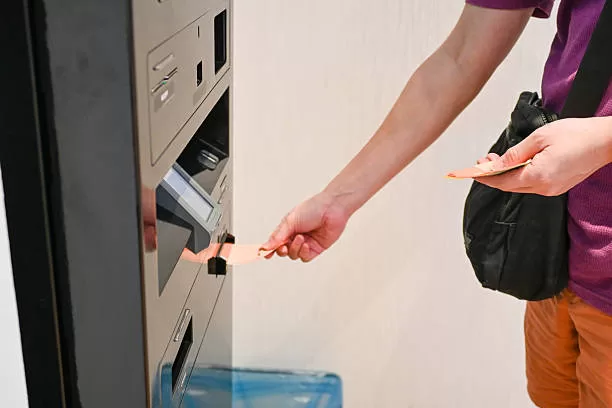
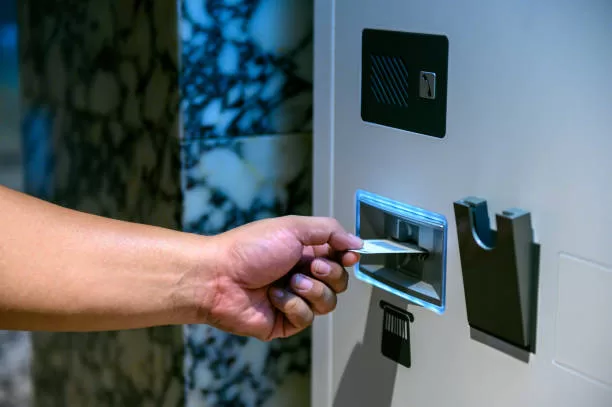
Die physische Firewall: Wie Half-Insert-Kartenleser böswillige Skimmer und Shoulder-Surfing-Angriffe blockieren
In the sophisticated landscape of financial and access security, the most dangerous vulnerability is often not a software glitch or a decrypted algorithm, but a physical point of contact. For years, the traditional “full-insert” card reader—where the machine swallows the entire card—was the industry standard. However, this design created a massive blind spot: it offered…
-
Wie magnetische RF-Hybridkartenlesegeräte die Finanz- und Zugangskontrolle sichern
In the modern security landscape, the tools of unauthorized access have evolved alongside the technologies designed to stop them. Traditional magnetic stripe cards, while convenient, face the constant threat of skimming—the unauthorized copying of data during a swipe. Simultaneously, high-frequency Radio Frequency (RF) cards, including RFID and NFC, are increasingly vulnerable to relay attacks, where…
-
Die Bedeutung des Anti-Interferenz-Designs in NFC und Barcode Dual-Mode Scanning
Warum Interferenzen die verborgene Herausforderung beim modernen Scannen darstellen. In der modernen Handels- und Industrieautomation arbeiten NFC- und Barcode-Technologien häufig nebeneinander. Dual-Mode-Scanner-Lesegeräte sind zu unverzichtbaren Werkzeugen für Branchen vom Einzelhandel bis zur Logistik geworden. Sie ermöglichen kontaktlose NFC-Transaktionen und optische Barcode-Erkennung innerhalb desselben Geräts und bieten so eine unübertroffene Flexibilität. Jedoch,…
-
Wie interaktive Knopfdeckmonitore moderne Spielschränke verändern
Ein Wandel im Gaming-Interface-Design Gaming-Schränke verlassen sich seit langem auf mechanische Tastenanordnungen. Allerdings verändert sich die Landschaft. Interaktive Button-Deck-Monitore mit PCAP-Touch-Technologie (Projected Capacitive) sind Vorreiter bei diesem Wandel. Diese Innovationen verbessern nicht nur die Ästhetik, sondern optimieren auch die Benutzerinteraktion. Bei rCloud analysieren wir, wie diese Schnittstellenentwicklung verläuft ...
-
Die wesentliche Rolle von festen Mount-Scanner-Modulen im Self-Service-Einzelhandel
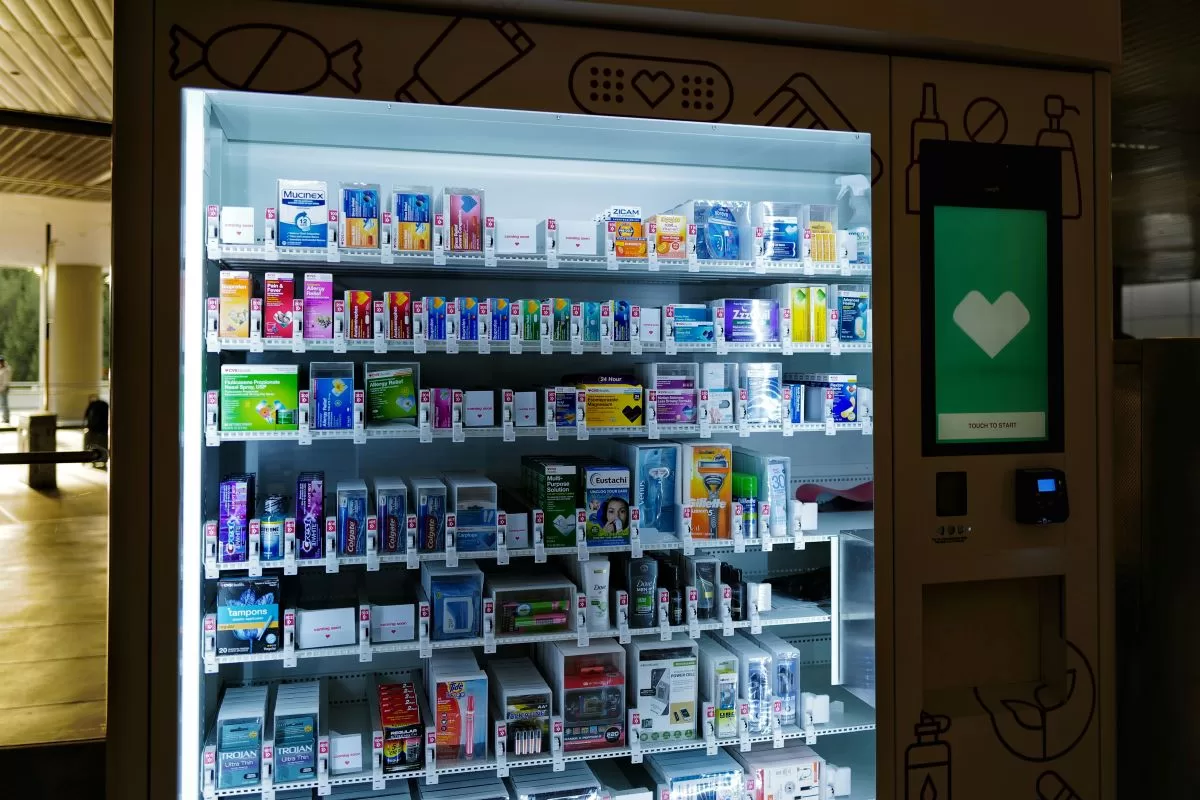
Die digitale Evolution von Verkaufsautomaten Intelligente Verkaufsautomaten verändern den unbeaufsichtigten Einzelhandel. Moderne Verkaufssysteme beschränken sich nicht mehr nur auf einfache Snackautomaten, sondern unterstützen jetzt kontaktloses Bezahlen, Bestandsaktualisierungen in Echtzeit und eine personalisierte Produktauswahl. Im Mittelpunkt dieser Transformation steht eine Schlüsselkomponente: das fest montierte Scannermodul. Dieses kompakte und dennoch leistungsstarke Modul fungiert…
-
Die Rolle von eingebetteten QR-Code-Scannern in Selbstbedienungskiosken
Selbstbedienungskioske gibt es überall. Vom Einzelhandel bis zum Gesundheitswesen optimieren Kioske die Servicebereitstellung. Ihre Wirksamkeit hängt jedoch davon ab, wie sie mit den Benutzern interagieren. Eine Schlüsselkomponente ist der eingebettete QR-Code-Scanner. Als „Auge“ des Kiosks liest, überprüft und verarbeitet es Informationen sofort. Aber wie wirkt es sich tatsächlich auf die Leistung und das Benutzererlebnis aus?…
-
Wie Barcode -Lesermodule intelligente Automaten und Kioske verbessern
Im Zeitalter der Automatisierung verändern intelligente Verkaufsautomaten und Kioske die Einzelhandelslandschaft. Von Flughäfen bis hin zu Bürogebäuden ersetzen diese unbemannten Terminals herkömmliche Schalter. Das Herzstück ihrer Bequemlichkeit ist eine kleine, aber entscheidende Komponente: Barcode-Lesemodule. Diese winzigen Systeme ermöglichen es Maschinen, Zahlungen abzuwickeln, Lagerbestände zu verwalten und mit… zu interagieren.
-
Dip vs. Swipe vs. Contactless: Der ultimative POS -Karten -Leser -Vergleichshandbuch
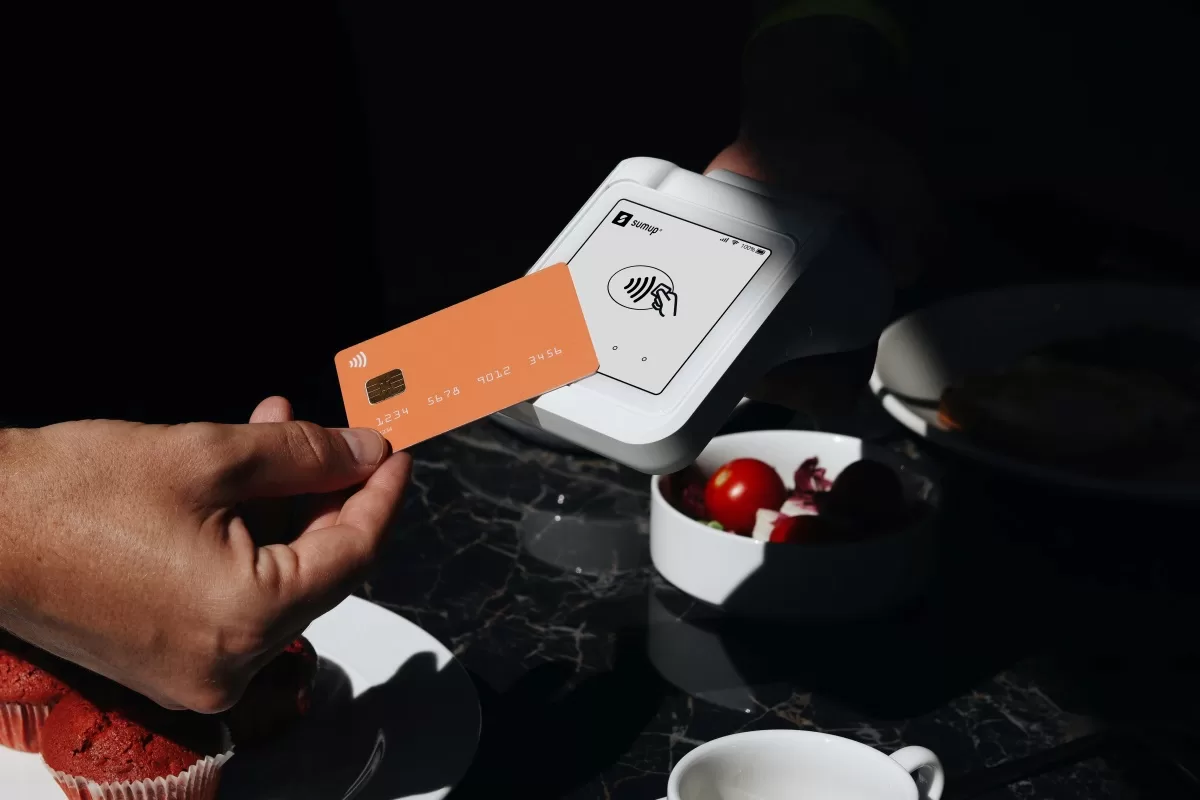
Wenn sich die Zahlungsstandards rasch entwickeln, müssen Unternehmen POS -Kartenleser auswählen, die Geschwindigkeit, Sicherheit und Einhaltung ausgleichen. Mit Dip -Chips, Magnetstreifen und kontaktlosen (NFC/RFID) -Anzahlungen bietet RCloud diesen umfassenden Leitfaden, um Händlern zu helfen, optimale POS -Kartenleser -Terminals auf der Grundlage von Technologie, Umgebung und Risikoprofil auszuwählen. 1. In -tapth -Technologievergleich das technische Verständnis…

+86- 13723735286
Haben Sie Fragen?