-

Écran tactile capacitif 3M : pourquoi est-il la référence en matière d'écrans industriels ?
Industrial environments demand hardware that performs under extreme pressure. Standard consumer screens often fail in dusty or high-interference factories. However, 3M capacitive touchscreen technology remains the top choice for heavy-duty applications. It offers a level of reliability that generic panels simply cannot match. This guide explores the technical advantages of 3M touch solutions. We help…
-
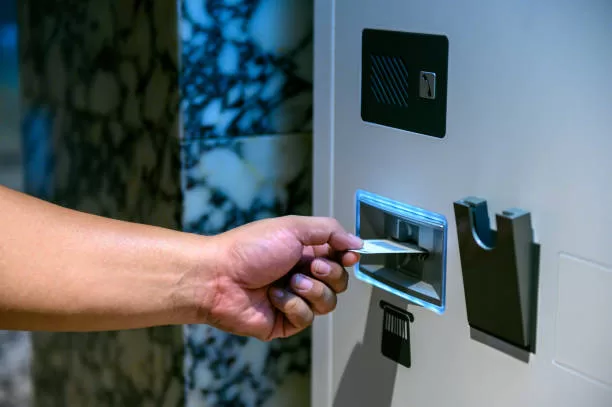
Le pare-feu physique : comment les lecteurs de cartes à demi-insertion bloquent les skimmers malveillants et les attaques de surf sur l'épaule
In the sophisticated landscape of financial and access security, the most dangerous vulnerability is often not a software glitch or a decrypted algorithm, but a physical point of contact. For years, the traditional “full-insert” card reader—where the machine swallows the entire card—was the industry standard. However, this design created a massive blind spot: it offered…
-
Comment les lecteurs de cartes hybrides RF magnétiques sécurisent les finances et le contrôle d'accès
In the modern security landscape, the tools of unauthorized access have evolved alongside the technologies designed to stop them. Traditional magnetic stripe cards, while convenient, face the constant threat of skimming—the unauthorized copying of data during a swipe. Simultaneously, high-frequency Radio Frequency (RF) cards, including RFID and NFC, are increasingly vulnerable to relay attacks, where…
-
L'importance de la conception anti-interférence dans NFC et Barcode Dual-Mode Scanning
Pourquoi les interférences constituent le défi caché de la numérisation moderne Dans le commerce moderne et l'automatisation industrielle, les technologies NFC et de codes-barres fonctionnent souvent côte à côte. Les lecteurs scanner bimode sont devenus des outils essentiels pour des secteurs allant du commerce de détail à la logistique. Ils permettent des transactions NFC sans contact et une reconnaissance optique des codes-barres au sein du même appareil, offrant une flexibilité inégalée. Cependant,…
-
Comment les moniteurs de pont de bouton interactifs transforment les armoires de jeu modernes
Un changement dans la conception des interfaces de jeu Les enceintes de jeu s'appuient depuis longtemps sur des matrices de boutons mécaniques. Cependant, le paysage change. Les moniteurs interactifs à boutons alimentés par la technologie tactile PCAP (Projected Capacitive) sont à la tête de cette transformation. Ces innovations améliorent non seulement l’esthétique mais rationalisent également l’interaction avec l’utilisateur. Chez rCloud, nous analysons comment se déroule cette évolution de l’interface…
-
Le rôle essentiel des modules de scanner à montage fixe dans la vente au détail en libre-service
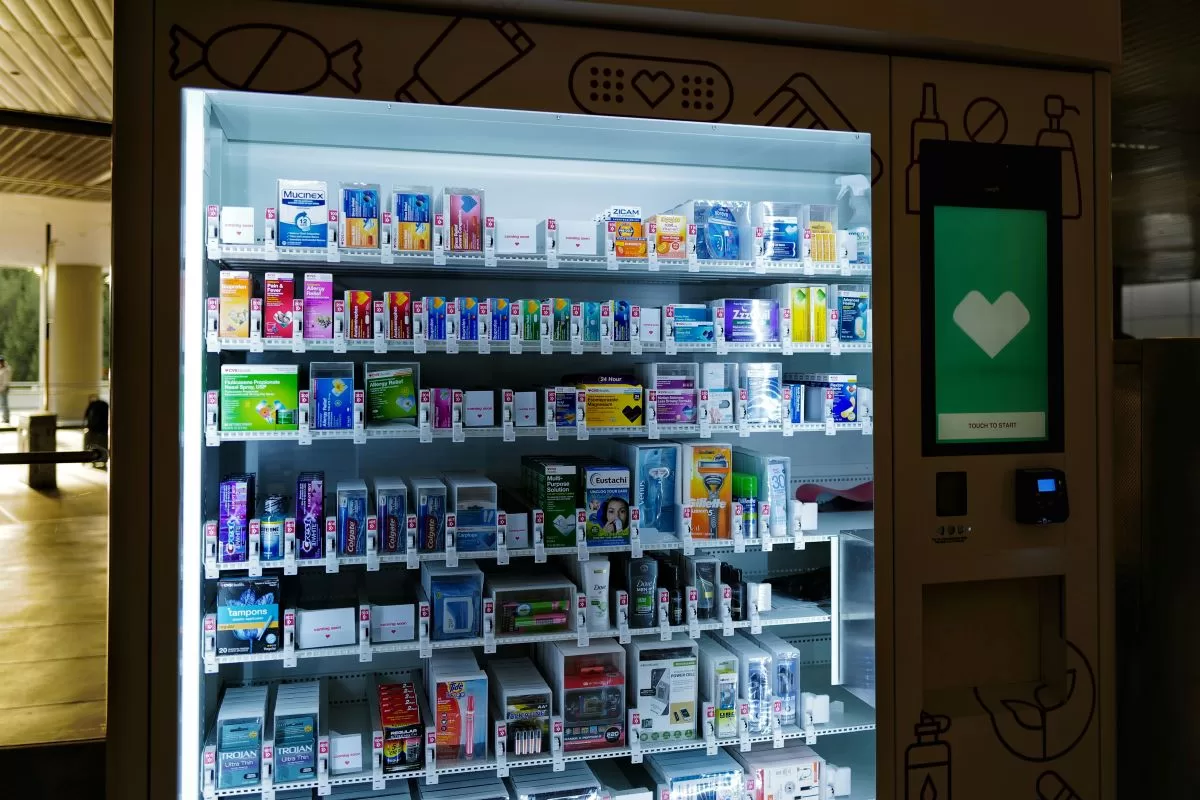
L'évolution numérique des distributeurs automatiques Les distributeurs automatiques intelligents remodèlent le commerce de détail sans surveillance. Ne se limitant plus aux simples distributeurs de collations, les systèmes de vente modernes prennent désormais en charge les paiements sans contact, les mises à jour des stocks en temps réel et la sélection de produits personnalisée. Au cœur de cette transformation se trouve un composant clé : le module scanner à montage fixe. Ce module compact mais puissant agit…
-
Le rôle des scanners de code QR intégrés dans les kiosques en libre-service
Les bornes libre-service sont partout. Du commerce de détail aux soins de santé, les kiosques rationalisent la prestation de services. Pourtant, leur efficacité dépend de la manière dont ils interagissent avec les utilisateurs. Un élément clé est le scanner de code QR intégré. Agissant comme « l’œil » du kiosque, il lit, vérifie et traite les informations instantanément. Mais quel impact cela a-t-il réellement sur les performances et l’expérience utilisateur ?…
-
Comment les modules de lecteur de code-barres améliorent les distributeurs automatiques intelligents et les kiosques
À l’ère de l’automatisation, les distributeurs automatiques et les kiosques intelligents remodèlent le paysage du commerce de détail. Des aéroports aux immeubles de bureaux, ces terminaux sans pilote remplacent les guichets traditionnels. Au cœur de leur commodité se trouve un composant petit mais crucial : les modules de lecture de codes-barres. Ces minuscules systèmes permettent aux machines de traiter les paiements, de gérer les stocks et d'interagir avec…
-
DIP VS. Swipe vs sans contact: le guide de comparaison du lecteur de carte POS ultime
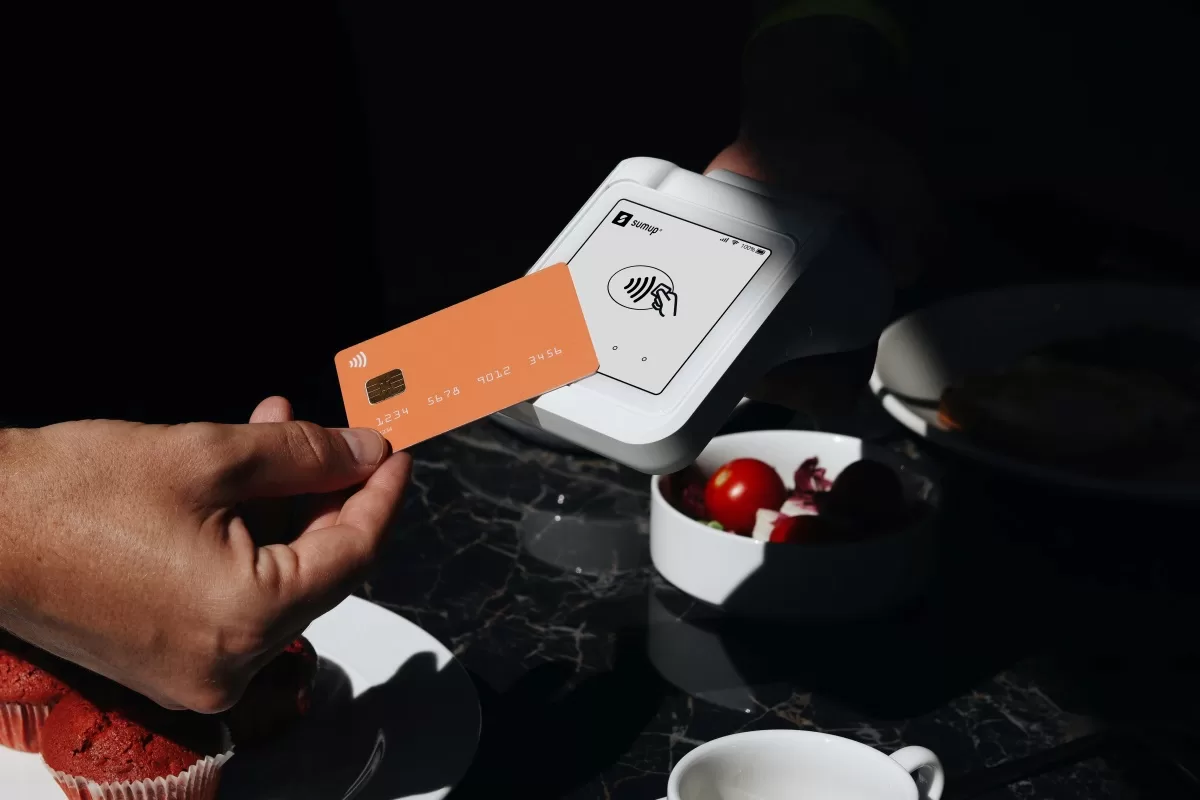
À mesure que les normes de paiement évoluent rapidement, les entreprises doivent choisir des lecteurs de cartes POS qui équilibrent vitesse, sécurité et conformité. Avec la coexistence de puces DIP, de bandes magnétiques et de paiements sans contact (NFC/RFID), rCloud propose ce guide complet pour aider les commerçants à sélectionner les terminaux de lecture de cartes POS optimaux en fonction de la technologie, de l'environnement et du profil de risque. 1. Comparaison technologique approfondie Comprendre les aspects techniques…

+86-13723735286
Vous avez des questions ?