-

Tela sensível ao toque capacitiva 3M: Por que é o padrão ouro para monitores industriais?
Os ambientes industriais exigem hardware que funcione sob extrema pressão. As telas de consumo padrão geralmente falham em fábricas empoeiradas ou com alta interferência. No entanto, a tecnologia de ecrã táctil capacitivo da 3M continua a ser a melhor escolha para aplicações pesadas. Ele oferece um nível de confiabilidade que os painéis genéricos simplesmente não conseguem igualar. Este guia explora as vantagens técnicas das soluções táteis 3M. Nós ajudamos…
-
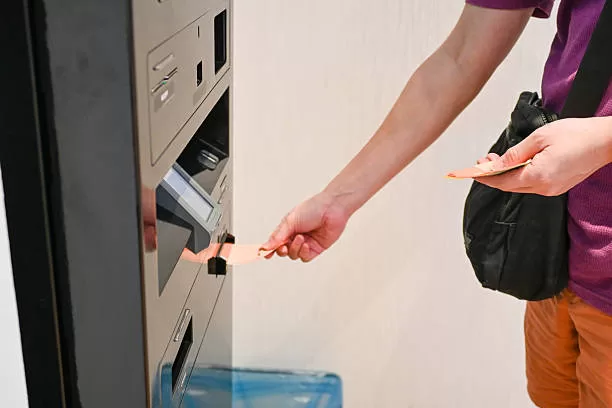
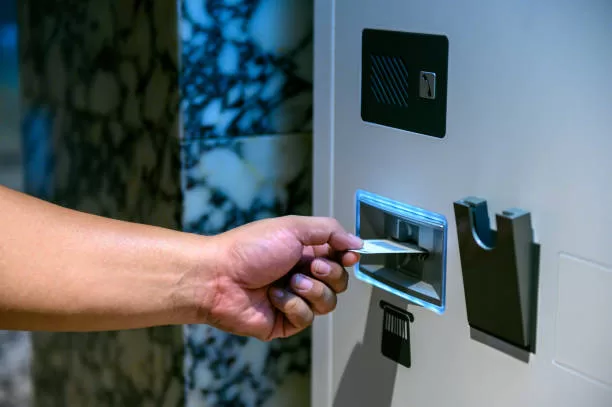
O firewall físico: como os leitores de cartão de meia inserção bloqueiam skimmers maliciosos e ataques de surf de ombro
No cenário sofisticado da segurança financeira e de acesso, a vulnerabilidade mais perigosa muitas vezes não é uma falha de software ou um algoritmo descriptografado, mas um ponto de contato físico. Durante anos, o tradicional leitor de cartões de “inserção completa” – onde a máquina engole o cartão inteiro – foi o padrão da indústria. No entanto, este design criou um enorme ponto cego: ofereceu…
-
Como os leitores de cartões magnéticos RF híbridos protegem as finanças e o controle de acesso
No cenário de segurança moderno, as ferramentas de acesso não autorizado evoluíram juntamente com as tecnologias concebidas para impedi-los. Os cartões de tarja magnética tradicionais, embora convenientes, enfrentam a ameaça constante de skimming – a cópia não autorizada de dados durante uma passagem. Simultaneamente, os cartões de radiofrequência (RF) de alta frequência, incluindo RFID e NFC, estão cada vez mais vulneráveis a ataques de retransmissão, onde…
-
A importância do design anti-interferência na digitalização de modo duplo de NFC e código de barras
Por que a interferência é o desafio oculto na digitalização moderna No comércio moderno e na automação industrial, as tecnologias NFC e de código de barras geralmente operam lado a lado. Os leitores de scanner de modo duplo tornaram-se ferramentas essenciais para setores que vão do varejo à logística. Eles permitem transações NFC sem contato e reconhecimento óptico de código de barras no mesmo dispositivo, proporcionando flexibilidade incomparável. No entanto,…
-
Como os monitores interativos de botões estão transformando os gabinetes de jogos modernos
Uma mudança no design da interface de jogos Os gabinetes de jogos há muito dependem de conjuntos de botões mecânicos. No entanto, o cenário está mudando. Monitores interativos de botões com tecnologia de toque PCAP (Projected Capacitive) estão liderando essa transformação. Essas inovações não apenas melhoram a estética, mas também simplificam a interação do usuário. Na rCloud, analisamos como está essa evolução da interface…
-
O papel essencial dos módulos de scanner de montagem fixa no varejo de autoatendimento
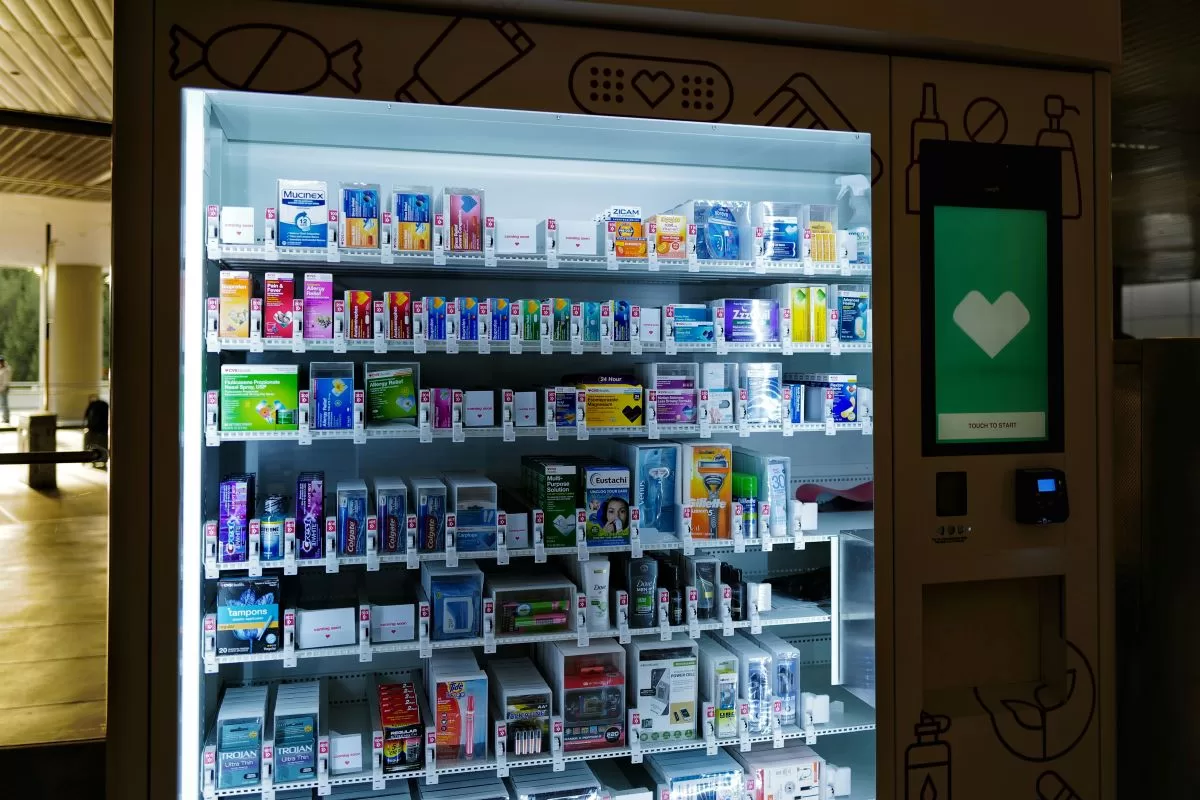
A evolução digital das máquinas de venda automática As máquinas de venda automática inteligentes estão remodelando o varejo autônomo. Não mais limitados a simples distribuidores de lanches, os modernos sistemas de venda automática agora suportam pagamentos sem contato, atualizações de estoque em tempo real e seleção personalizada de produtos. No centro desta transformação está um componente chave: o módulo de scanner de montagem fixa. Este módulo compacto, mas poderoso, atua…
-
O papel dos scanners de código QR integrados em quiosques de autoatendimento
Os quiosques de autoatendimento estão por toda parte. Do varejo à saúde, os quiosques agilizam a prestação de serviços. No entanto, a sua eficácia depende da forma como interagem com os utilizadores. Um componente chave é o leitor de código QR integrado. Atuando como o “olho” do quiosque, ele lê, verifica e processa informações instantaneamente. Mas como isso realmente afeta o desempenho e a experiência do usuário?…
-
Como os módulos de leitura de código de barras melhoram quiosques e máquinas de venda automática inteligentes
Na era da automação, as máquinas de venda automática e os quiosques inteligentes estão remodelando o cenário do varejo. Dos aeroportos aos edifícios de escritórios, estes terminais não tripulados estão a substituir os balcões tradicionais. No centro de sua conveniência está um componente pequeno, mas crucial: módulos leitores de código de barras. Esses pequenos sistemas permitem que máquinas processem pagamentos, gerenciem estoques e interajam com…
-
Dip vs. Swipe vs. Contactless: The Ultimate POS Card Reader Comparish Guide
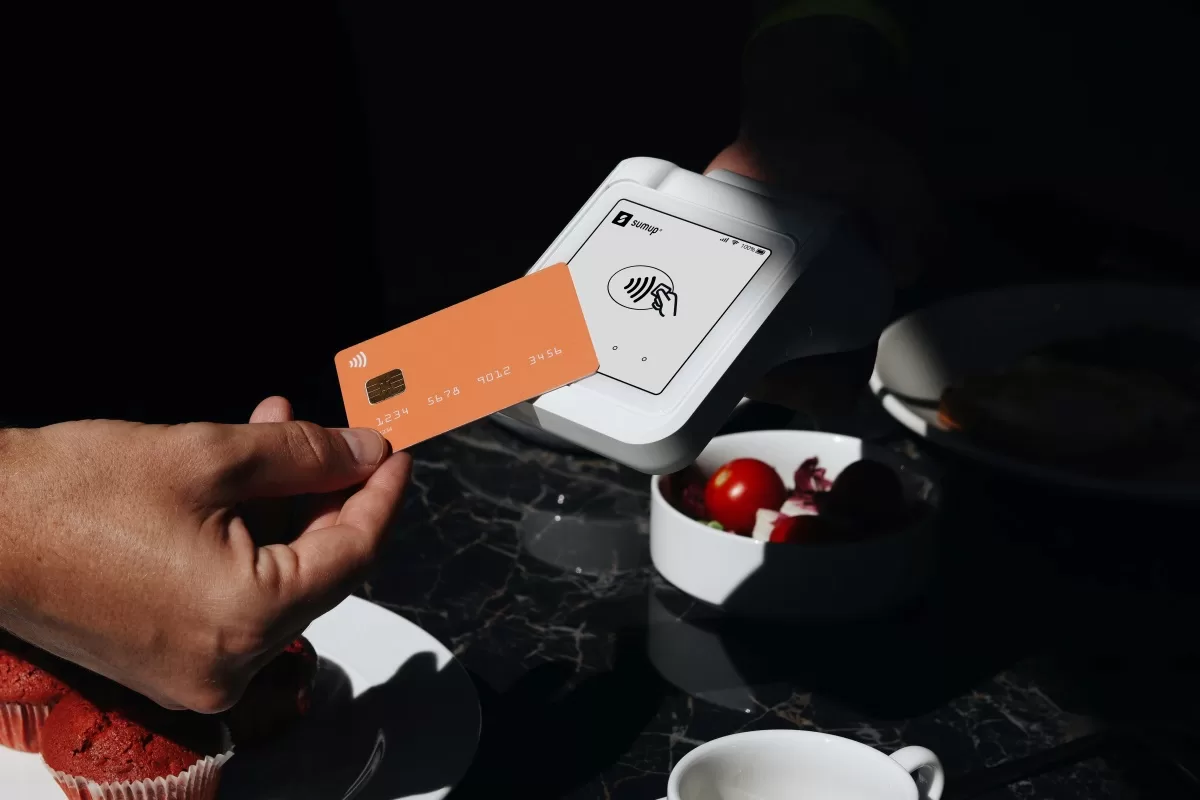
À medida que os padrões de pagamento evoluem rapidamente, as empresas devem escolher leitores de cartão POS que equilibrem velocidade, segurança e conformidade. Com a coexistência de chips DIP, tarjas magnéticas e pagamentos sem contato (NFC/RFID), a rCloud oferece este guia abrangente para ajudar os comerciantes a selecionar terminais leitores de cartão POS ideais com base na tecnologia, ambiente e perfil de risco. 1. Comparação aprofundada de tecnologia Compreendendo a técnica…

+86- 13723735286
Tem alguma dúvida?