
En el sofisticado panorama de la seguridad financiera y de acceso, la vulnerabilidad más peligrosa a menudo no es una falla de software o un algoritmo descifrado, sino un punto de contacto físico. Durante años, el tradicional lector de tarjetas de “inserción completa”, en el que la máquina traga toda la tarjeta, fue el estándar de la industria. Sin embargo, este diseño creó un enorme punto ciego: ofrecía una cavidad oculta donde los delincuentes podían instalar "skimmers" para clonar datos sin el conocimiento del usuario.
Para fortalecer el "primer punto de contacto" de la interacción de datos, la ingeniería de seguridad ha evolucionado hacia la lectores de tarjetas magnéticas de media inserción. Al combinar una huella mecánica minimalista con trampas físicas antiphishing, este diseño actúa como un "cortafuegos físico". Mueve la línea defensiva desde el nivel del chip a la interfaz física, lo que hace casi imposible que el hardware malicioso externo se afiance. Este artículo explora cómo la arquitectura de medio inserto descifra el "lenguaje oculto" de la seguridad física para proteger las puertas de datos globales.
1. El punto ciego de la era de la “inserción completa”
Para apreciar la innovación de la lectores de tarjetas magnéticas de media inserción, primero debemos analizar los fallos de seguridad de su predecesor.
El paraíso del skimmer
En un sistema de inserción completa, la tarjeta desaparece detrás de una persiana. Como el usuario no puede ver la tarjeta mientras se lee, a los delincuentes les resultó fácil superponer un "skimmer" (un cabezal de lectura secundario) sobre la ranura original. Estos dispositivos imitan el aspecto de la máquina y se asientan al ras del bisel. Debido a que la máquina original todavía funciona, el usuario nunca se da cuenta de que sus datos han sido duplicados.
La vulnerabilidad "Shutter Jam"
Los lectores de inserción completa dependen de contraventanas motorizadas para proteger los componentes internos. Sin embargo, los atacantes suelen utilizar “bucles libaneses” u obstrucciones mecánicas para atrapar la tarjeta dentro de la máquina, lo que obliga al usuario a abandonar el área mientras el ladrón recupera la tarjeta. El diseño de medio inserto elimina este riesgo al garantizar que la tarjeta nunca salga del alcance del usuario.
2. La filosofía del medio inserto: la visibilidad es seguridad
El núcleo de la lectores de tarjetas magnéticas de media inserción es el principio de “exposición forzada”. Al dejar una parte importante del cuerpo de la tarjeta sobresaliendo del dispositivo, el diseño crea varias capas de defensa física.
Bloqueando el “ajuste perfecto” del Skimmer
El hardware de skimming malicioso requiere una superficie plana y estable para adherirse a la ranura de la tarjeta. Sin embargo, un lector de medio inserto suele presentar un bisel contorneado y no lineal.
Interferencia mecánica: La forma especializada del puerto de entrada evita que el skimmer quede al ras. Si un atacante intenta pegar un dispositivo sobre un puerto de medio inserto, la desalineación se vuelve inmediatamente evidente para el usuario.
Confirmación visual: Debido a que el usuario sostiene la tarjeta, puede ver claramente si algún objeto extraño está interfiriendo con el recorrido de la tarjeta. Esta “auditoría visual” es la defensa más simple y eficaz contra la ingeniería social.
3. La trampa mecánica antiphishing
Más allá de la simple exposición, profesional lectores de tarjetas magnéticas de media inserción incorporar “trampas mecánicas” diseñadas para frustrar la manipulación del hardware.
Geometría de bisel irregular
Los lectores avanzados utilizan un puerto de entrada "escalonado" o "cóncavo". Este diseño obliga a la tarjeta a seguir una trayectoria específica. Para que un skimmer pueda capturar con éxito los datos de la banda magnética, necesitaría reflejar perfectamente esta compleja geometría, una tarea increíblemente difícil para el hardware ilícito impreso en 3D o producido en masa.
Sensores antimanipulación integrados
Muchas unidades de medio inserto contienen microinterruptores internos o sensores de luz que detectan la presencia de una superposición. Si el lector detecta que la “cara” externa de la máquina ha sido alterada o que se ha agregado una capa adicional de plástico al puerto, inmediatamente activa una alerta de seguridad, desactivando el cabezal de lectura y protegiendo el bus de datos.
4. Poner fin a la amenaza de “surfing”: cubiertas protectoras
El robo de datos no siempre es de alta tecnología; a veces, es tan simple como “navegar”: el acto de robar información visualmente u observar el ingreso del PIN durante el deslizamiento de una tarjeta.
El escudo anti-pío
La vivienda física de un gama alta lector de tarjetas magnéticas de media inserción a menudo incluye una “ala de privacidad” integrada o una cubierta.
Ángulos de visión restringidos: Estas barreras físicas bloquean la línea de visión desde un lado o desde arriba. Esto garantiza que incluso si se instala una cámara oculta cerca, no pueda capturar el movimiento de la tarjeta o los dígitos en la superficie de la tarjeta.
Guía táctil: La cubierta también sirve para guiar la mano del usuario, haciendo que la interacción sea más rápida e intuitiva, lo que reduce el tiempo que la tarjeta está expuesta al medio ambiente.

5. Transición de Pure Chip Defense a interacción física
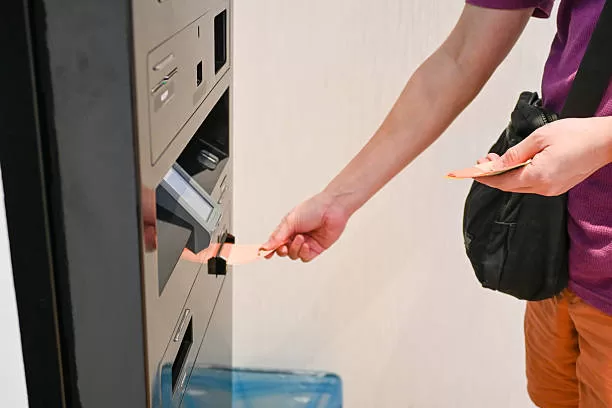
Si bien los chips EMV han mejorado significativamente la seguridad digital, no reemplazan la necesidad de barreras físicas. El lectores de tarjetas magnéticas de media inserción servir como el "primer punto de defensa".
Protección de la banda magnética: Incluso en la era de los chips, muchas tarjetas todavía llevan una banda magnética para compatibilidad con versiones anteriores. Esta es la parte más vulnerable de la tarjeta. El diseño de medio inserto garantiza que la franja solo se lea en el momento de su total encaje, minimizando la ventana de exposición.
Durabilidad y Mantenimiento: Debido a que no hay persianas motorizadas ni correas internas, los lectores de medio inserto son significativamente más duraderos. Resisten el “sabotaje físico” (como insertar monedas o escombros) mejor que los lectores motorizados, lo que garantiza que la máquina permanezca en línea y segura las 24 horas del día, los 7 días de la semana.
6. Conclusión: recuperar la puerta de datos
El movimiento hacia lectores de tarjetas magnéticas de media inserción representa un retorno a la seguridad fundamental: si puedes verlo y tocarlo, puedes protegerlo. Al eliminar la "cavidad oculta" del lector de inserción completa e introducir geometrías mecánicas irregulares, estos dispositivos han terminado efectivamente con la era del skimmer de fácil instalación.
Para las empresas y las instituciones financieras, el lector de medio inserto no es sólo un componente; es una declaración de intenciones. le dice al usuario que sus datos están protegidos por algo más que un código: están protegidos por un "firewall físico" que bloquea las amenazas incluso antes de que lleguen al chip. En la batalla por la integridad de los datos, la herramienta más poderosa suele ser una pieza de hardware bien diseñada que sabe exactamente cuándo aguantar y cuándo soltar.