
У софистицираном окружењу финансијске и приступне безбедности, најопаснија рањивост често није софтверски квар или дешифровани алгоритам, већ физичка тачка контакта. Годинама је традиционални читач картица са „потпуним уметањем“ – где машина прогута целу картицу – био индустријски стандард. Међутим, овај дизајн је створио огромну слепу тачку: нудио је скривену шупљину где су криминалци могли да инсталирају „скимере“ за клонирање података без знања корисника.
Да би се ојачала „прва тачка додира“ интеракције података, безбедносни инжењеринг је еволуирао ка полу-уметнути читачи магнетних картица. Комбинујући минималистички механички отисак са физичким замкама против крађе идентитета, овај дизајн делује као „физички заштитни зид“. Он помера одбрамбену линију са нивоа чипа на физички интерфејс, чинећи готово немогућим да спољни злонамерни хардвер добије упориште. Овај чланак истражује како архитектура полу-уметака дешифрује „скривени језик“ физичке безбедности да би заштитила глобалне капије података.
1. Слепа тачка ере „пуног уметања“.
Да би ценили иновацију полу-уметнути читачи магнетних картица, прво морамо анализирати безбедносне пропусте њиховог претходника.
Скимеров рај
У систему са пуним уметањем, картица нестаје иза затварача. Пошто корисник не може да види картицу док се чита, криминалцима је било лако да преложе „скимер“ – секундарну главу за читање – преко оригиналног слота. Ови уређаји опонашају изглед машине и стоје у равни са оквиром. Пошто оригинална машина и даље функционише, корисник никада не схвата да су његови подаци дуплирани.
Рањивост „Заглављивање затварача“.
Читачи са пуним уметком ослањају се на моторизоване затвараче за заштиту унутрашњих компоненти. Међутим, нападачи често користе „либанске петље“ или механичке препреке да заробе картицу унутар машине, приморавајући корисника да напусти подручје док лопов преузима картицу. Дизајн са полу-уметком елиминише овај ризик тако што осигурава да картица никада не напушта стисак корисника.
2. Филозофија полу-уметања: Видљивост је сигурност
Језгро од полу-уметнути читачи магнетних картица је принцип „присилног излагања“. Остављајући значајан део тела картице да вири из уређаја, дизајн ствара неколико слојева физичке одбране.
Блокирање "савршеног пристајања" Скимера
Злонамерном хардверу за скимирање потребна је равна, стабилна површина да би се залепила за слот за картицу. Међутим, полу-уметнути читач обично има контурну, нелинеарну маску.
механичке сметње: Специјализовани облик улазног отвора спречава да скимер седи у равнини. Ако нападач покуша да залепи уређај преко полу-уметнутог порта, кориснику одмах постаје очигледно неусклађеност.
Визуелна потврда: Пошто корисник држи картицу, може јасно да види да ли неки страни предмет омета пут картице. Ова „визуелна ревизија“ је најједноставнија и најефикаснија одбрана од друштвеног инжењеринга.
3. Механичка замка против фишинга
Осим једноставног излагања, професионално полу-уметнути читачи магнетних картица укључити „механичке замке“ дизајниране да осујети неовлаштено неовлашћено коришћење хардвера.
Неправилна геометрија оквира
Напредни читачи користе „степенасти“ или „конкавни“ улазни порт. Овај дизајн тера картицу на одређену путању. Да би скимер успешно ухватио податке са магнетне траке, требало би да савршено одражава ову сложену геометрију - задатак који је невероватно тежак за 3Д штампан или масовно произведен недозвољени хардвер.
Интегрисани анти-тампер сензори
Многе полу-уметнуте јединице садрже унутрашње микро-прекидаче или сензоре светлости који детектују присуство преклапања. Ако читач открије да је спољашње „лице“ машине измењено или да је на порт додат додатни слој пластике, он одмах покреће безбедносно упозорење, онемогућујући главу за читање и штити магистралу података.
4. Прекидање претње „сурфовање по раменима“: заштитни омотачи
Крађа података није увек високотехнолошка; понекад је то једноставно као „сурфовање по рамену“—чин визуелне крађе информација или посматрања уноса ПИН-а током превлачења картице.
Штит против пееп
Физичко кућиште врхунског квалитета полууметнути читач магнетних картица често укључује интегрисано „крило приватности“ или покров.
Ограничени углови гледања: Ове физичке баријере блокирају линију вида са стране или одозго. Ово осигурава да чак и ако је скривена камера инсталирана у близини, она не може да ухвати кретање картице или цифара на површини картице.
Тактилно упутство: Поклопац такође служи да води руку корисника, чинећи интеракцију бржом и интуитивнијом, што смањује време излагања картице окружењу.

5. Прелазак са чисте одбране чипова на физичку интеракцију
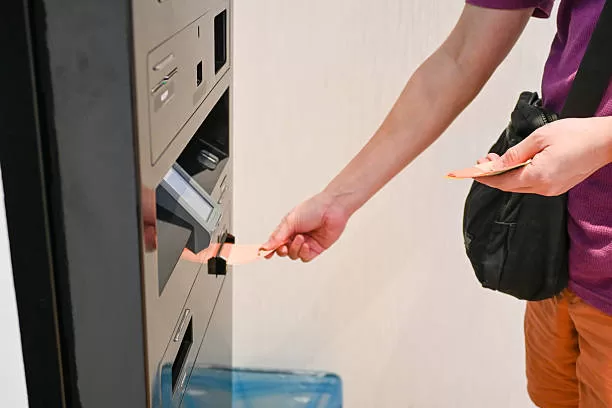
Иако су ЕМВ чипови значајно побољшали дигиталну безбедност, они не замењују потребу за физичким баријерама. Тхе полу-уметнути читачи магнетних картица служе као „прва тачка одбране“.
Заштита магнетне траке: Чак иу ери чипова, многе картице и даље имају магнетну траку за компатибилност уназад. Ово је најрањивији део картице. Дизајн полу-уметка обезбеђује да се трака очитава само у тренутку потпуног захвата, минимизирајући прозор експозиције.
Трајност и одржавање: Пошто нема моторизованих капака или унутрашњих каишева, полууметнути читачи су знатно издржљивији. Они се одупиру „физичкој саботажи“ (као што је убацивање новчића или крхотина) боље од моторизованих читача, обезбеђујући да машина остане онлајн и безбедна 24/7.
6. Закључак: Повраћај Дата Гате-а
Кретање ка полу-уметнути читачи магнетних картица представља повратак фундаменталној безбедности: ако га можете видети и додирнути, можете га заштитити. Елиминацијом „скривене шупљине“ читача са пуним уметком и увођењем неправилне механичке геометрије, ови уређаји су ефективно прекинули еру скимера који се лако поставља.
За предузећа и финансијске институције, читач са полу-уметком није само компонента; то је изјава о намерама. говори кориснику да се њихови подаци чувају не само кодом – заштићени су „физичким заштитним зидом“ који блокира претње пре него што дођу до чипа. У борби за интегритет података, најмоћнији алат је често добро дизајниран комад хардвера који тачно зна када треба да се држи — а када да пусти.